 MartialWise
Martial Arts Warm-Up: Dynamic vs Static Stretching Before Class
· Pavika Editorial
Also available in: हिन्दी
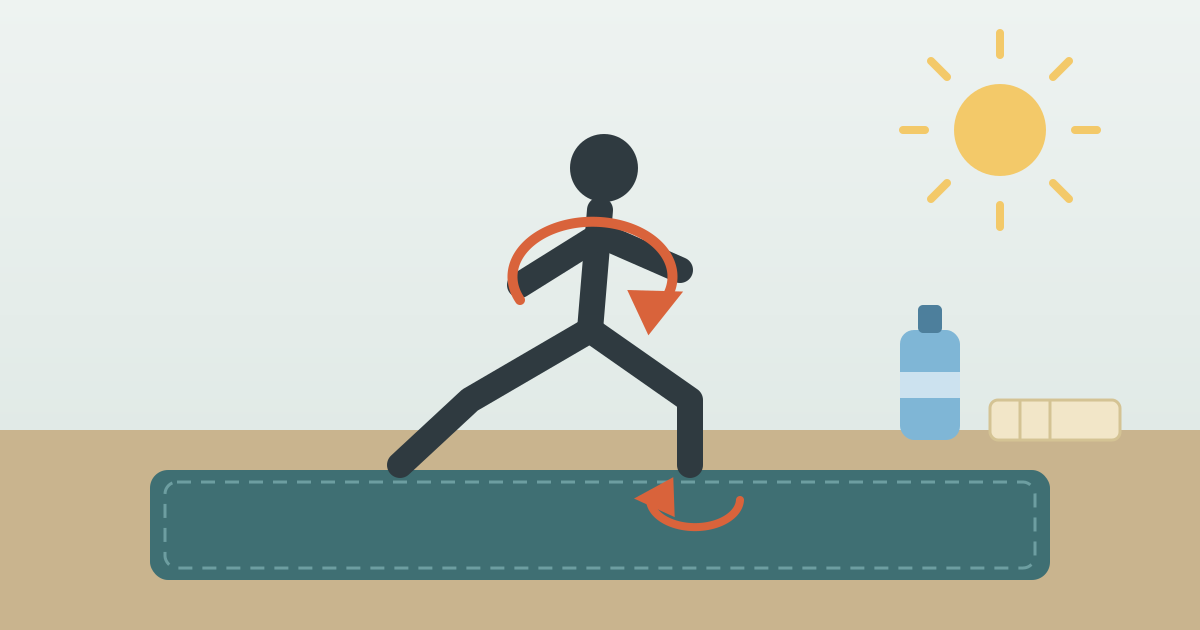
A good warm-up takes about ten minutes and makes class feel better. This post explains why we warm up, how dynamic and static stretching differ, and a simple routine you can adapt. The facts come from one Wikipedia article about warming up in sport in general, not martial arts specifically. The routine itself is our own suggestion.
Why we warm up
Warming up means gentle exercise before the main activity. According to the article, many people believe it gets muscles ready for hard effort and reduces the chance of cramps and overuse injuries. It also says warming up is generally thought to prepare you mentally.
The evidence is less tidy than the belief. The article notes that studies of warm-up programmes for injury prevention in football (soccer) are contradictory. It also reports a suggestion that warming the body, rather than stretching, is what helps. So treat a warm-up as a sensible habit, not a guarantee.
Dynamic vs static: what the source says
Static stretching means holding a muscle in a lengthened position. The article says it may help prevent injury and allow greater flexibility. But it is not recommended as part of a warm-up, and stretching too long may weaken the muscles.
Dynamic stretching means moving a body part through its full range of motion. The article recommends it as part of a warm-up to improve performance.
The article also says warm-ups should be specific to the activity, so the muscles you’ll use are the ones you wake up.
A simple 10-minute sequence
This is our suggestion, based on the three parts the article describes: a gradual rise in intensity, joint mobility, and then movements close to the activity. Adjust it to your class and your body.
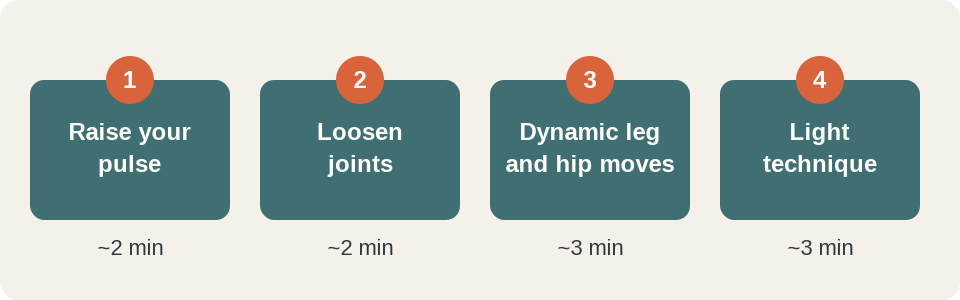
- Raise your pulse (about 2 minutes). Walk briskly, jog lightly or skip, easing up gradually.
- Loosen joints (about 2 minutes). Slow circles for the neck, shoulders, wrists, hips, knees and ankles.
- Dynamic moves (about 3 minutes). Leg swings forward and sideways, deep but comfortable lunges, arm circles. Keep them smooth, not bouncy.
- Light technique (about 3 minutes). Slow versions of what you’ll train: stances, blocks or easy strikes in the air at half speed.
Ankles, wrists and hips
These joints take a lot of work in martial arts, and they are easy to skip. The article does not mention them, so this is practical advice, not a sourced finding. Ankles carry you through stances and pivots. Wrists bear load in strikes and some grips. Hips drive kicks and turns. A minute of slow circles for each costs little.
When to stretch
The article does not recommend holding long static stretches as part of a warm-up. If you like them, many people do them after training instead. That timing is a common habit, not something our source proves. Stay gentle and stop at mild tension, never pain.
If the weather is cold, the article suggests warming up for longer. Its support for this is thin, so use it as a prompt to listen to your body.
Safety note
Martial arts involve physical technique. Train under a qualified instructor, warm up before every session, and respect your limits. Tell your instructor about injuries or health conditions, and ask how your school warms up, since it may differ from this routine.