 MartialWise
Do You Need to Be Fit or Flexible to Start Martial Arts?
· Pavika Editorial
Also available in: हिन्दी
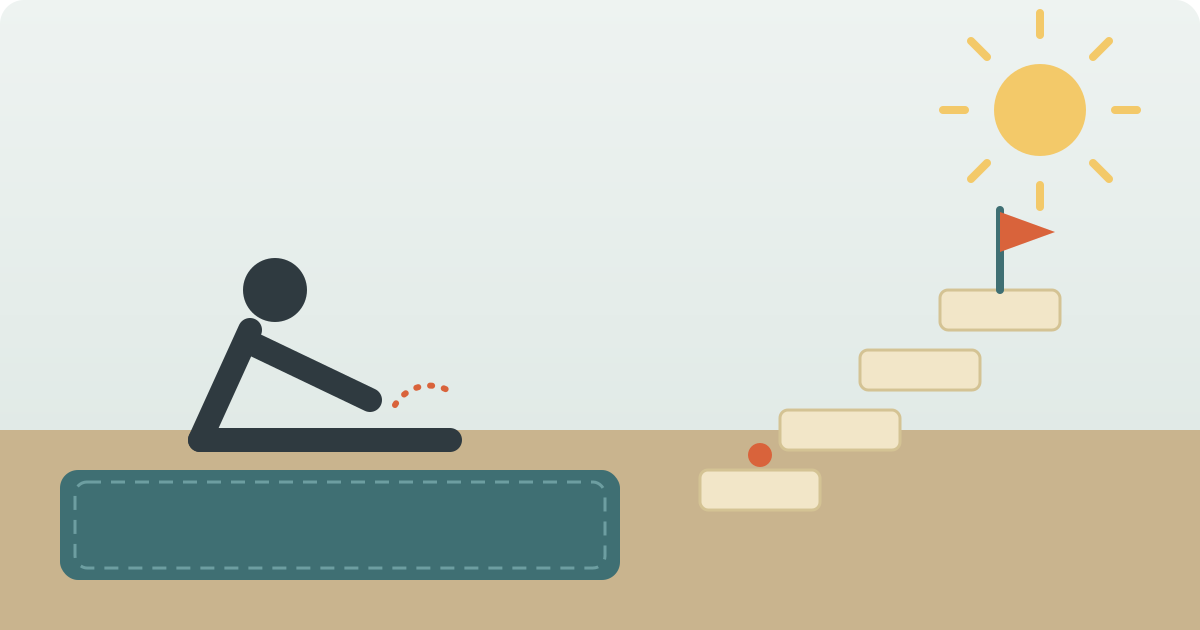
Many adults hold off on martial arts because they feel they are not fit or flexible enough yet. This post gives a short answer, explains what flexibility and fitness are, and suggests how to pace your first months. Where we are giving advice rather than sourced fact, we say so.
Short answer: no, you don’t need to be fit first
Our sources do not set a fitness or flexibility entry requirement for martial arts. Wikipedia describes martial arts training as aiming to benefit physical, mental and emotional health. It says physical fitness “may be boosted” through strength, stamina, speed and flexibility. In other words, fitness is something training aims to build, not a ticket you must show at the door.
Wikipedia’s article on physical fitness says it can take weeks or months to notice physical changes, and possibly years for full development. So the honest picture is gradual progress. We’d also say that a good beginner class should expect beginners. That part is our view, so check it by watching or trying a class.
Flexibility: what it is and how it changes
Wikipedia defines flexibility as the anatomical range of movement in a joint or series of joints. It says people differ: each person is born with a particular range of motion for each joint, and flexibility varies between individuals. Age is one of several factors that can affect it.
The same article says flexibility can be improved to a degree through exercise, and that stretching is a common part of this. It also says the body’s stretch reflexes become easier to work with through continued training, so stretching gets easier over time.
Some points from the article are worth knowing:
- It suggests stretching only when the muscles are warm.
- It describes dynamic stretching, controlled movement through a full range, as a way to prepare the body for exertion. It adds that coaches increasingly recognise its role in performance and in reducing injury risk, though it gives no studies for this.
- It describes bouncing (ballistic) stretching as risky if done wrongly.
The risk of overstretching
The article warns that stretching for too long or too much can lead to injury. Going past what a tissue can handle may cause a sprain, a strain or a muscle pull. It says sudden movements or going too fast can make a muscle tighten painfully.
Our advice follows from that: forcing a split or a high kick in the first weeks is not a shortcut. Stretch gently when warm and stay below pain.
What the first months can feel like
Our sources don’t describe a typical beginner’s timeline, so this section is our own expectation. Be ready for these, and don’t treat them as a verdict on you:
- Tiredness. A class may leave you more tired than you expected, especially if you were not active before.
- Soreness. New movements can make muscles feel stiff the next day.
- Uneven progress. Some things come quickly, and others stay awkward for a while.
Wikipedia’s fitness article names overload, specificity and progression as basic training principles, and calls recovery “one of the most fundamentally important elements” of fitness. It also says sleep and diet are crucial for long-term recovery. For a beginner, we read that as: build up gradually and rest properly.
Tips for pacing yourself
These are our suggestions, not a sourced list:
- Start with one or two classes a week and add more only when recovery feels easy.
- Take rest days. The fitness article describes a hard/easy pattern, alternating harder training with lighter activity, to reduce strain.
- Warm up before every class, and stretch gently only when warm.
- Tell the instructor about any past injury, pain or condition before you begin, and ask for a lighter option when you need one.
- Skip anything that causes sharp pain. Soreness that fades is not the same as pain that warns you to stop.
- Compare yourself with your own first class, not with the person next to you.
When to see a doctor first
We are not medical professionals and our sources give no screening rules. As general good sense, it is sensible to talk to a doctor before starting if you have a health condition, a past injury, are recovering from illness or surgery, or have been inactive for a long time and feel unsure. Mention chest pain, dizziness or unusual breathlessness to a doctor promptly, and do not train through them.
Safety note
Martial arts involve physical technique. Train under a qualified instructor, warm up before every session, and respect your limits. Tell the instructor about any injury or health condition before the first class.